
.jpg)
India’s Semiconductor Aspirations Pass Through the Netherlands
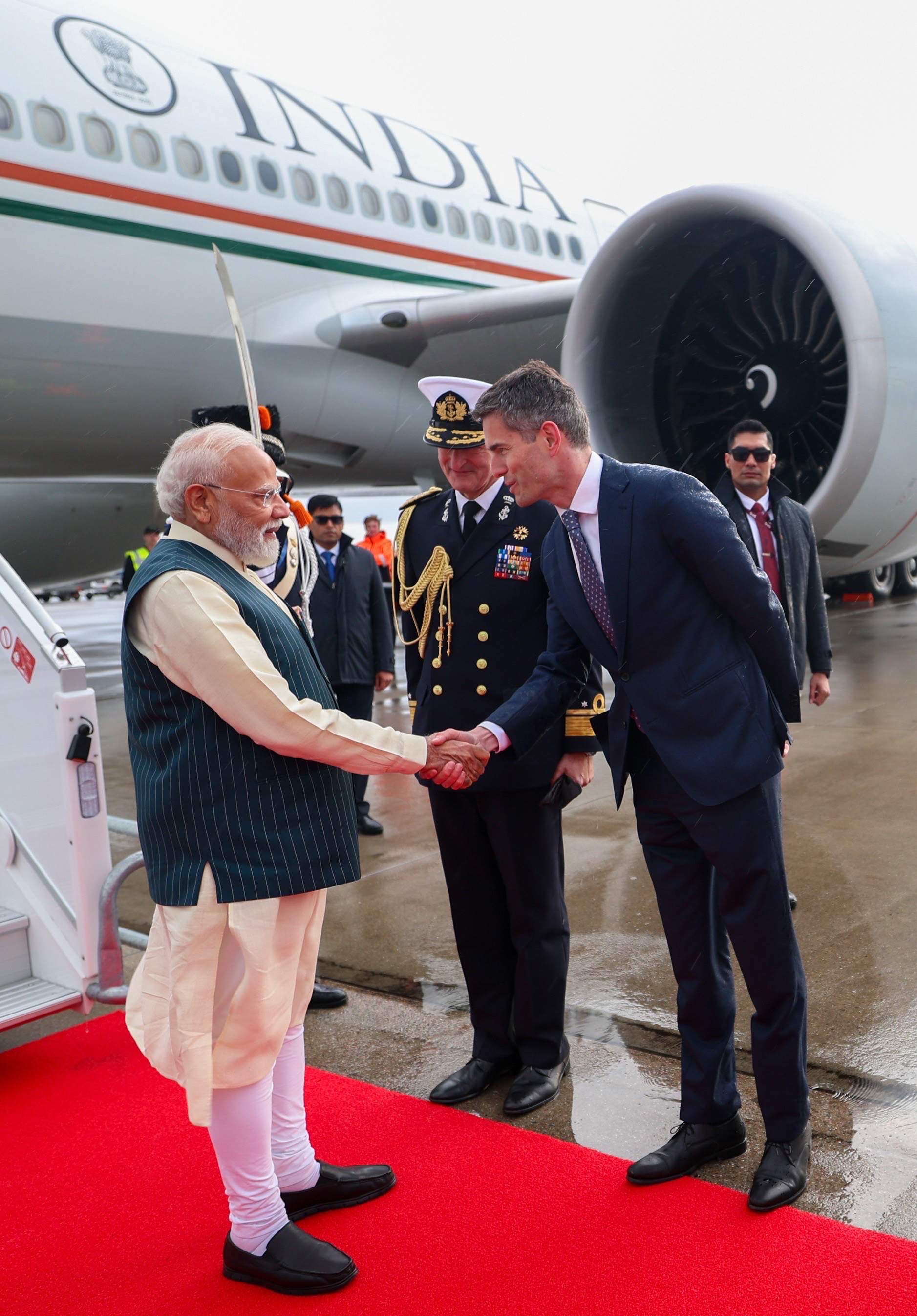
The global race for semiconductors is no longer confined to the world of technology. It has become a battle for economic strength, national security and geopolitical influence. In this changing global order, Prime Minister Narendra Modi’s engagement with the Netherlands carries importance far beyond diplomatic formalities. At the centre of this conversation is one company that could significantly influence India’s technological future, ASML.
Most people outside the technology industry may not be familiar with ASML, but the company occupies an extraordinary position in the semiconductor world. The Dutch firm is the only company capable of manufacturing Extreme Ultraviolet lithography machines, which are essential for producing the world’s most advanced semiconductor chips. These chips are the foundation of artificial intelligence, smartphones, advanced defence systems, electric vehicles and modern communication technologies.
Even the world’s largest chipmakers, including Taiwan Semiconductor Manufacturing Company, Samsung Electronics and Intel, rely on ASML’s technology to manufacture cutting-edge processors. This gives the Netherlands an influence in global technology far greater than its geographical size.
India’s semiconductor ambitions have gained momentum in recent years. The government’s semiconductor mission and large financial incentives reflect a clear recognition that India cannot remain dependent on imports in such a critical sector. The global chip shortages during the pandemic exposed how vulnerable countries can become when supply chains are disrupted. At the same time, the growing rivalry between the United States and China has transformed semiconductors into a strategic asset with enormous geopolitical importance.
India already has considerable strengths in software, chip design and engineering talent. However, the country still lacks advanced chip manufacturing capability. Building semiconductor fabrication units requires not only massive investment but also access to specialised machinery, reliable infrastructure and long-term technological partnerships. This is where ASML becomes important to India’s future plans.
Prime Minister Modi’s outreach to the Netherlands reflects India’s broader effort to become part of the trusted global semiconductor network that is emerging among Western democracies. Countries such as the United States, Japan and members of the European Union are working together to secure semiconductor supply chains and reduce overdependence on China. India wants to position itself as a reliable partner in this evolving system.
The challenge, however, is immense. Semiconductor manufacturing is among the most expensive and complex industries in the world. Advanced fabrication plants require billions of dollars in investment, uninterrupted electricity and water supply, highly skilled manpower and policy stability for many years. Building such an ecosystem cannot happen overnight.
Still, India’s timing may work in its favour. Many global corporations are now looking to diversify their manufacturing operations through the “China Plus One” strategy. India, with its large market, growing economy and geopolitical relevance, presents an attractive alternative. But the success of India’s semiconductor ambitions will depend on execution and consistency rather than policy announcements alone.
Partnerships with companies such as ASML may not immediately make India a leader in advanced chip production. Yet such collaborations can help India build expertise, strengthen research capabilities and integrate into the global semiconductor value chain. Even gradual progress in this direction would mark a major achievement for the country.
For Hyderabad, these developments are particularly significant. The city has already established itself as a major technology and electronics hub with strong capabilities in chip design and engineering services. Telangana’s efforts to attract semiconductor investments are closely aligned with the Centre’s larger national vision. If India succeeds in creating a strong semiconductor ecosystem, Hyderabad could emerge as one of its most important centres.
Semiconductors will shape the future of the global economy and technological power. Countries that control critical chip technologies will exercise enormous influence in the coming decades. India’s engagement with the Netherlands and ASML therefore represents much more than routine diplomacy. It is part of a larger effort to secure India’s place in the technological future of the world.
Advertisement


💬 Comments
Amer khsn - 17 May 2026, 01:14 AM
Good